From Leftover Tandoori to Global Classic: The Genesis of Butter Chicken
Few dishes command such universal affection and instant recognition as Butter Chicken. Its velvety, subtly spiced tomato sauce, embracing succulent pieces of chicken, has captivated palates from Delhi to London, New York, and beyond. Often celebrated as the quintessential Indian restaurant dish, its rich, harmonious flavor profile is both profoundly comforting and irresistibly satisfying. Yet, unlike many traditional, generations-old recipes passed down through Indian households, Butter Chicken, or Murgh Makhani as it's known in Hindi, boasts a surprisingly modern and ingenious origin story rooted in culinary innovation and a dash of delicious resourcefulness.
The journey of this iconic dish began not in a grandmother's kitchen, but in the bustling environment of a post-partition Delhi restaurant. This unique genesis imparts Butter Chicken with its distinctive character – it was purposefully engineered for perfection in a commercial setting, aiming for a consistent, crave-worthy flavor that would come to define a new era of Indian dining. Its inherent "restaurant-style" nature is precisely what makes it so beloved and, at times, challenging to replicate perfectly at home.
The Culinary Spark: A Story of Ingenuity at Moti Mahal
The year was 1947, a time of profound change and new beginnings. Kundan Lal Gujral, an enterprising immigrant from Peshawar (now located in Pakistan), was embarking on a new venture with his restaurant, Moti Mahal, in Daryaganj, Delhi. His specialty was tandoori chicken, a dish cooked in a traditional clay oven, known for its smoky flavor and tender texture. However, a common challenge in any restaurant, particularly in those leaner times, was how to effectively utilize leftover, unsold tandoori chicken at the end of the day without compromising on taste, freshness, or the cardinal rule of avoiding waste.
Gujral’s stroke of culinary genius was to transform these succulent, smoky remnants. He envisioned a mild, deeply flavorful gravy, rich with tomatoes, cream, and finished with generous amounts of butter. He gently simmered the pre-cooked tandoori chicken pieces in this luxurious sauce, breathing new life into them and infusing them with a secondary layer of flavor. The result was an instant sensation – a dish so innovative, comforting, and utterly delicious that it quickly became the talk of the town, drawing diners from all walks of life. This ingenious solution to a practical problem gave birth to what we now adore as Butter Chicken, a dish that has since become synonymous with Indian cuisine globally.
This origin story is crucial for understanding why, for many, the "authentic" taste of Butter Chicken is found in restaurants, rather than in many traditional home-cooked versions that might mimic other tomato-based curries. It was born for the restaurant plate, a culinary creation designed for consistent excellence and broad appeal. For those looking to recreate that iconic restaurant taste, understanding its roots and specific techniques is the first step. For a deeper dive into achieving that perfect restaurant-style flavor, read our article: Mastering Restaurant-Quality Butter Chicken: Secrets from 20 Tests.
Deconstructing the Signature Silky Sauce: Secrets to Authentic Butter Chicken
Recreating the iconic Butter Chicken sauce at home can be a pursuit of perfection, largely because its "restaurant-style" brilliance hinges on specific techniques and ingredient choices that often run counter to conventional home cooking wisdom. Many recipes exist, but achieving that signature silky, buttery makhani (butter-based) sauce requires an acute attention to detail and a willingness to embrace certain unconventional truths.
The Tomato Paradox: Why Canned Reigns Supreme Over Fresh
Perhaps the most counterintuitive yet critical secret to an authentic Butter Chicken sauce lies in the choice of tomatoes. While fresh tomatoes are an undeniable staple in countless curries, they are often the silent downfall of a homemade Butter Chicken. Fresh tomatoes, unless they are perfectly ripe, meticulously boiled, peeled, and then pureed, introduce an unwanted tartness and a grainy texture that fundamentally prevents the sauce from achieving its characteristic smoothness and vibrant color. Instead, extensive recipe testing and culinary wisdom point to a surprising champion: high-quality canned tomatoes or concentrated tomato purée.
- Why canned? Canned tomatoes, particularly whole peeled varieties, offer consistent ripeness, a balanced acidity, and a robust tomato flavor year-round. When pureed, they provide the necessary vibrance, body, and sweetness without making the sauce overly tart or gritty. This allows the other nuanced flavors to shine through, creating that perfectly balanced, rich profile.
- The texture difference: Using pureed canned tomatoes or purée guarantees a velvety smooth sauce, a non-negotiable hallmark of authentic restaurant-style Butter Chicken, a texture that is exceedingly difficult to achieve with fresh alternatives.
The Art of Subtraction: Less is More with Spices
Another crucial insight, particularly when aspiring to the flavor profile of the original Moti Mahal creation, is the concept of "less is more" in spice usage. Many home cooks, in an attempt to layer complexity, might instinctively reach for a multitude of spices. However, the original Butter Chicken, influenced by Kundan Lal Gujral's Peshawar background where culinary traditions often favoured simpler, less heavily spiced preparations compared to other regions of India, champions remarkable restraint.
- Focus on core aromatics: Authentic Butter Chicken often relies on just a few key whole spices like cinnamon sticks, green cardamom pods, and cloves for a subtle, foundational aroma, rather than an overwhelming spice blend.
- Omitting unnecessary elements: Extensive recipe development has shown that ingredients like green chili peppers (which can introduce inconsistent heat), turmeric powder (which often gets lost in the sauce and can add an unnecessary pungency), and even cashews (frequently used for thickening, but not essential for the truly authentic texture) can be omitted or significantly reduced without sacrificing flavor. In fact, removing them often refines the sauce, bringing it closer to the original, pure, unadulterated taste. This simplification allows the natural sweetness of the tomatoes and the luxurious richness of the dairy to dominate the palate.
Embrace the Indulgence: Butter and Sugar are Non-Negotiable
The name "Butter Chicken" isn't merely a descriptive title; it’s a commitment. To achieve that signature lusciousness, depth, and perfect balance, holding back on key ingredients is a culinary misstep. This is, by its very nature, a dish that celebrates richness and decadence.
- Butter, glorious butter: A generous, unsparing amount of butter is absolutely fundamental to the sauce's texture, mouthfeel, and inimitable flavor. It provides a velvety smoothness and a crucial part of the dish's captivating aroma. Some connoisseurs even recommend cultured butter for an added layer of richness and a subtle, delightful tang, or a dash of buttermilk if using regular butter.
- The essential role of sugar: A precise touch of sugar is not about making the dish overtly sweet, but rather about achieving a perfect equilibrium. It is essential to balance the natural acidity of the tomatoes and enhance the overall sweetness and complexity of the sauce, preventing it from becoming one-note or overly tart. It's the silent hero that brings all the flavors into harmony.
- Cream for the ultimate finish: While butter and sugar form the base of richness, a final swirl of heavy cream or a rich yogurt often provides the glorious finish, adding another layer of velvety texture and mild tang, contributing to the dish's universally adored luxurious feel.
These elements combined—the precise choice of tomatoes, the minimalist yet impactful spice approach, and the generous, unapologetic use of butter and sugar—are precisely what create the globally cherished, distinctive flavor of authentic Butter Chicken. Understanding these nuances is key to transforming your home kitchen into a haven of restaurant-quality Indian cuisine.
Tips for the Home Cook: Bringing Murgh Makhani to Your Table
Making truly delicious Butter Chicken at home, reminiscent of your favorite Indian restaurant, is entirely within reach with the right approach. Here are some actionable tips to guide your culinary journey:
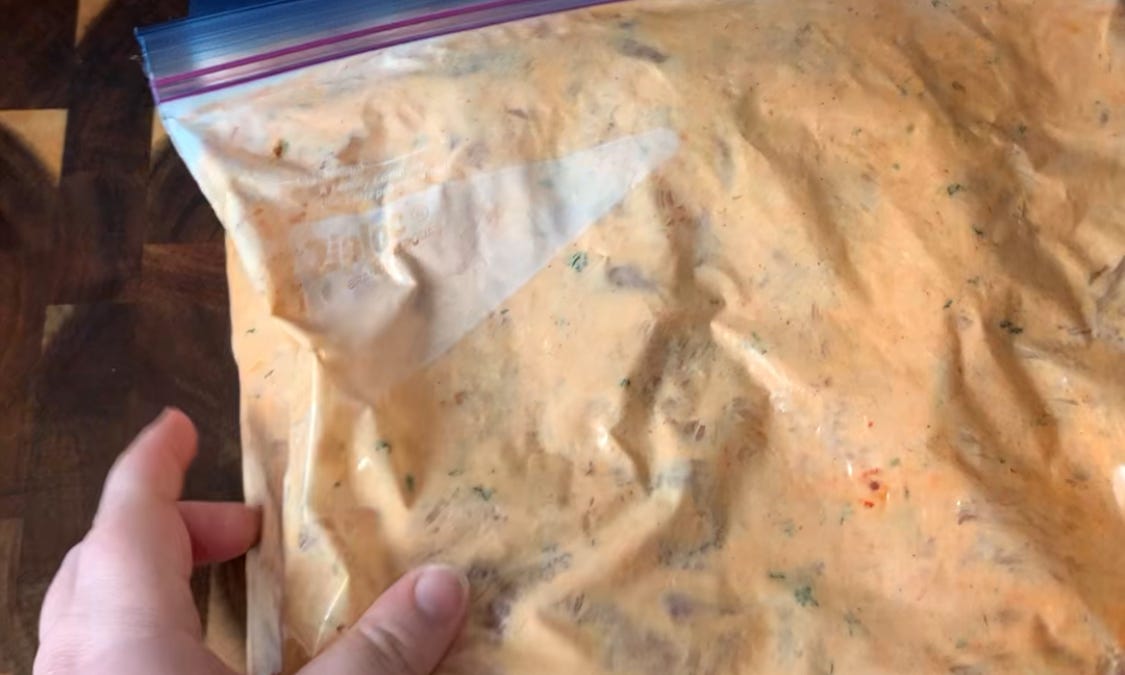
- Start with quality chicken: While traditional Butter Chicken uses marinated and grilled tandoori chicken, you can achieve fantastic results at home by marinating boneless chicken thighs or breasts in a mixture of yogurt and spices (ginger-garlic paste, red chili powder, garam masala, salt). Then, pan-fry or bake them until lightly charred before adding to the sauce. This pre-cooking step builds essential depth of flavor.
- Don't skip the pureeing: After simmering your sauce base (canned tomatoes, ginger-garlic paste, a few whole spices), always blend it until it is absolutely silken smooth. A high-speed blender or immersion blender is your best friend here. For an extra refined texture, you can even strain the sauce through a fine-mesh sieve.
- Slow and steady wins the race: Allow your sauce to simmer gently for at least 15-20 minutes after blending. This crucial step helps the flavors to meld, deepen, and concentrate, creating that rich, robust, and harmonious taste profile.
- Kashmiri Chili Powder for Color and Mild Heat: For that iconic, vibrant red hue without an overwhelming amount of heat, actively seek out Kashmiri red chili powder. It's renowned for its bright color and relatively mild spiciness, making it ideal for Butter Chicken.
- Serve it right: Butter Chicken is traditionally served with fluffy basmati rice, which beautifully soaks up the sauce, and warm, pillowy naan bread, perfect for scooping up every last delectable drop.
- Distinguishing from Tikka Masala: Remember, authentic Butter Chicken is generally milder, does not typically include onions in its sauce base (though some regional variations may exist), and possesses a distinct buttery, creamy, and subtly sweet profile that unequivocally sets it apart from its often-confused cousin, Chicken Tikka Masala.
A Global Icon: The Enduring Legacy of Butter Chicken
From its humble, resourceful beginnings as an innovative solution to prevent food waste in a bustling Delhi restaurant, Butter Chicken has soared to become a global culinary phenomenon. Its universal appeal lies in its harmonious blend of flavors – a delicate yet profound balance of sweet, tangy, creamy, and subtly spiced notes. It’s a dish that effortlessly transcends cultural boundaries, offering both profound comfort and an accessible yet exotic culinary experience to diners across the world.
Its remarkable evolution from a practical kitchen solution to a universally beloved classic is a testament to the enduring power of culinary creativity and ingenuity. Whether you're a seasoned chef or an enthusiastic home cook, understanding the rich history and the precise, often counterintuitive, techniques behind this magnificent dish profoundly enriches the experience of both making and savoring it. So, next time you dip a piece of warm naan into that rich, inviting red gravy, take a moment to appreciate the incredible story of innovation, simplicity, and a generous touch of butter that made it all possible.
