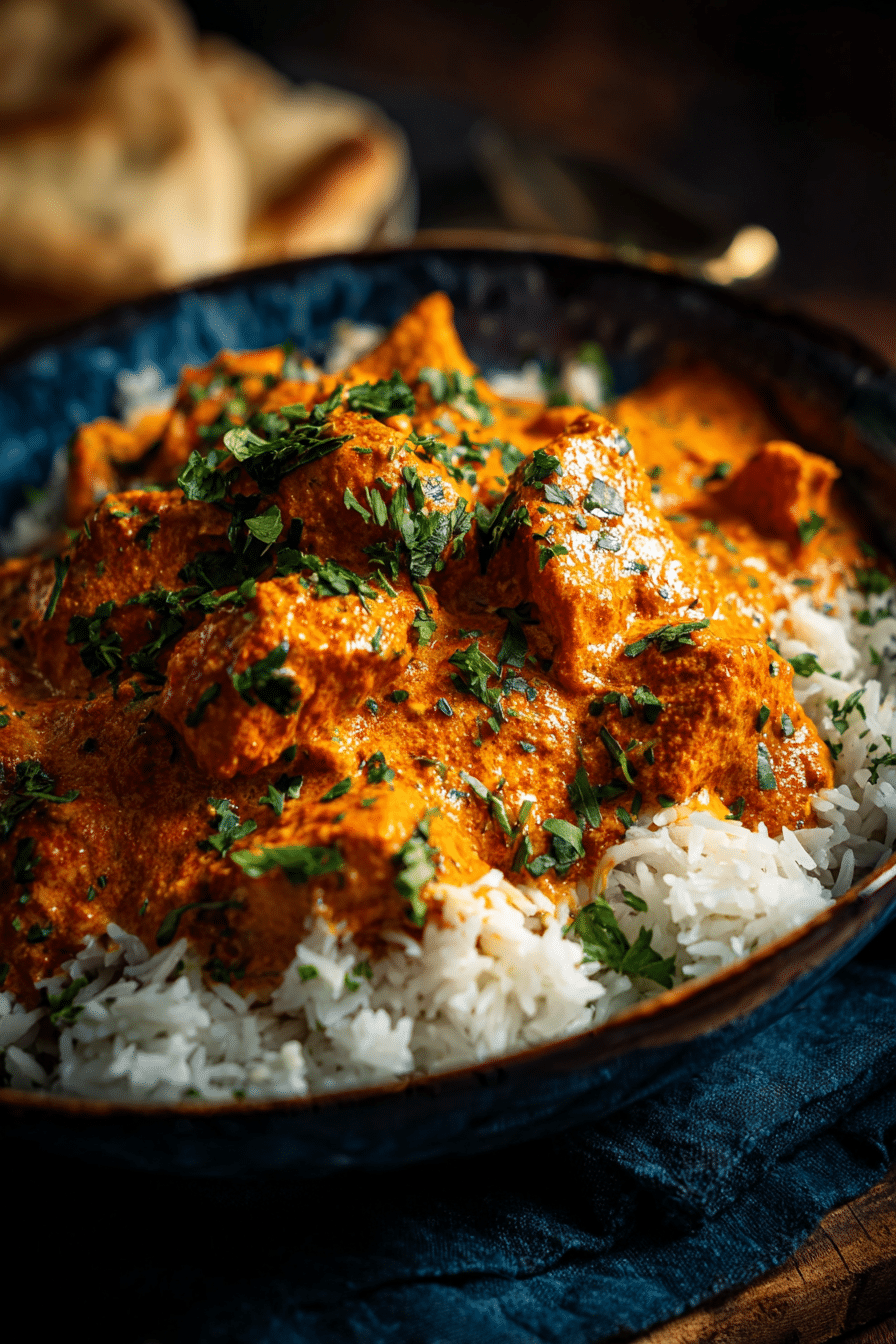
Mastering Restaurant-Quality Butter Chicken: Secrets from 20 Tests
The dream of recreating that melt-in-your-mouth, velvety smooth butter chicken sauce with impossibly tender chicken, just like your favorite Indian restaurant, often feels out of reach. It’s a culinary quest many home cooks embark on, only to find their homemade versions falling short of that signature restaurant taste. But what if we told you that after two dozen rigorous tests, we’ve unlocked the precise methodology to achieve that coveted perfection right in your own kitchen? This isn't just another recipe; it's a deep dive into the secrets gleaned from extensive experimentation, designed to elevate your homemade butter chicken to an unparalleled level.
The Elusive Restaurant Taste: Why Homemade Butter Chicken is Tricky
Unlike many traditional dishes passed down through generations, butter chicken, or Murgh Makhani, doesn't have a "grandma's recipe" in the classic sense. It is, by its very nature, an industrialized, restaurant-style creation. Born in Delhi’s Moti Mahal restaurant when its chef sought to transform leftover tandoori chicken, it was a stroke of genius that led to a mild, creamy tomato curry finished with butter. This origin story highlights why replicating it at home can be challenging: restaurant kitchens operate with specific ingredients, techniques, and scales that differ significantly from a home setup.
The ubiquity of pre-made masala seasonings, simmer sauces, and frozen meals dedicated to butter chicken speaks to its global popularity and the difficulty in achieving an authentic taste from scratch. Many recipes exist, but few truly capture the essence. Our extensive testing revealed that achieving that distinctive, restaurant-quality flavor isn't about adding more ingredients, but rather understanding which ones truly matter and, perhaps more surprisingly, which ones to omit. For a deeper dive into the fascinating beginnings of this global classic, read about From Leftover Tandoori to Global Classic: The Story of Butter Chicken.
Tomato Transformation: The Secret to a Silky Makhani Sauce
Perhaps the most counter-intuitive yet critical revelation from our 20 tests concerns the foundation of the sauce: tomatoes. While our culinary instincts often steer us towards fresh, ripe tomatoes for vibrant flavor, they are, surprisingly, the undoing of authentic butter chicken sauce. Unless painstakingly picked at peak ripeness, then boiled, peeled, and puréed, fresh tomatoes tend to make the sauce:
- Too Tart: They introduce an undesirable acidity that detracts from the dish's inherent sweetness and richness.
- Less Smooth: Achieving that characteristic silky, uniform texture is incredibly difficult with fresh tomatoes, often leaving a granular consistency.
- Generic: The flavor profile leans more towards a general tomato-based curry rather than the distinct makhani experience.
Many recipes resort to store-bought tomato sauce, but often this lacks the intensity and specific flavor notes required. The unequivocal solution, discovered through rigorous comparison, is to use high-quality puréed canned tomatoes or concentrated tomato purée. Canned tomatoes offer consistent ripeness and a depth of flavor that's hard to achieve with fresh, providing the perfect canvas for the creamy sauce without the unwanted tartness. They also blend into an incredibly smooth consistency, which is paramount for that luxurious mouthfeel. For more insights into how specific ingredients, particularly tomatoes and spices, define this iconic dish, explore Unlock Authentic Butter Chicken Flavor: Canned Tomatoes & Spice Secrets.
The Art of Subtraction: What 20 Tests Taught Us About Spices and Simplicity
One of the most profound lessons learned through our extensive experimentation was that for butter chicken, "less is truly more." Much of the recipe development involved carefully carving out unnecessary steps and ingredients that, surprisingly, hindered rather than enhanced the dish's signature profile. This aligns with the historical context of the Moti Mahal origin, where Kundan Lal's culinary background from Peshawar favored simpler, less heavily spiced preparations compared to other Indian regional cuisines.
Through iterative testing, we systematically removed components often found in other Indian curries but which proved detrimental or redundant here:
- Green Chili Peppers: While they add heat, their inclusion often led to inconsistent spice levels when blended and could overshadow the delicate balance of the sauce.
- Turmeric Powder: Surprisingly, turmeric's earthy pungency often got lost in the rich sauce and could introduce an unwanted flavor, without contributing much to the visual appeal.
- Cashews: Many recipes use cashews for thickening and richness. However, we found them not to be essential for achieving the desired creamy texture, simplifying the process without compromising quality.
- Whole Spices (like bay leaves, star anise): While aromatic, whole spices can be distracting or cumbersome in a silky sauce, requiring straining or careful removal. Focusing on ground spices, or a select few aromatic whole spices used judiciously (like cinnamon stick or cardamom pods, removed before blending), proved more effective for a pure, unadulterated flavor.
The recipe consistently improved as we pared it down, bringing it closer to the original, focused flavor profile. This approach emphasizes letting the core ingredients — the tomato, butter, and cream — truly shine, supported by a precise and elegant spice blend rather than a complex medley.
Embrace the Indulgence: Don't Hold Back on Key Ingredients
This was a lesson we were hesitant to learn but ultimately had to embrace: to truly master restaurant-quality butter chicken, you simply cannot hold back on its namesake ingredients. This dish is meant to be rich, creamy, and wonderfully indulgent. Skimping on these components will inevitably lead to a less authentic and satisfying experience.
- Butter: It's in the name for a reason! Use a generous amount. For an elevated experience, consider cultured butter, which adds a beautiful richness and subtle tang that enhances the sauce. If cultured butter isn't available, regular high-quality butter with a tablespoon of buttermilk can provide a similar depth.
- Sugar: A touch of sugar is crucial for balancing the acidity of the tomatoes and contributing to the sauce's signature mild sweetness. It rounds out the flavors and creates that addictive, well-balanced profile.
- Cream: For the ultimate silky, luxurious finish, full-fat cream is non-negotiable. It provides the characteristic velvety texture and rich mouthfeel that defines Murgh Makhani.
- Kashmiri Red Chili Powder: This spice is a must-have. It’s prized for its vibrant red color and mild heat, adding visual appeal without overwhelming the palate. Look for it in Indian or Asian markets to achieve that authentic look and gentle warmth.
The chicken itself should be marinated for tenderness and flavor, ideally grilled or pan-fried to get some char before being simmered in the sauce. This brings us back to its origins, where leftover tandoori chicken found its glorious second life.
Practical Tips for Your Butter Chicken Journey
- Marination Matters: Even a short marination of chicken in yogurt and spices significantly enhances its tenderness and flavor, allowing it to absorb the richness of the sauce better.
- One-Pan Advantage: Our perfected method emphasizes a streamlined, one-pan approach where possible, making the process less daunting and clean-up easier for the home cook.
- Blend for Perfection: After simmering the sauce, use an immersion blender or transfer to a regular blender to achieve that flawlessly smooth, restaurant-style consistency. This step is non-negotiable for true makhani sauce.
- The Perfect Pairing: Serve your masterpiece alongside fluffy basmati rice and plenty of warm naan bread, perfect for mopping up every last drop of that exquisite sauce.
After 20 comprehensive tests, comparing countless iterations against restaurant benchmarks, the path to mastering authentic, restaurant-quality butter chicken at home is clear. It’s a journey that embraces specific ingredients, a philosophy of strategic simplification, and a willingness to indulge in the rich components that make this dish legendary. By focusing on quality puréed canned tomatoes, a curated spice blend, and a generous hand with butter, sugar, and cream, you're not just cooking; you're crafting an experience. Prepare to delight your senses and impress your guests with a butter chicken that truly tastes like it came straight from your favorite Indian restaurant.
